What follows is a real breakdown of the best cities for singles who want an active nightlife, a big dating pool, and a local culture that doesn't immediately try to fast-track you toward a mortgage and a joint checking account. Maybe you're relocating. Maybe you're planning a shamelessly single-friendly trip. Maybe you just want to know how your hometown stacks up. Either way, here's a city-by-city rundown so you can meet local singles wherever life (or a well-timed vacation) drops you.
Table of Contents
- What Actually Makes a City Good for Casual Dating?
- The Cities That Consistently Deliver
- How They Stack Up (Table)
- How I Ranked These
- What to Do Once You Actually Get There
- Apps vs. Bar-Hopping: Which Wins?
- Frequently Asked Questions
What Actually Makes a City Good for Casual Dating?
A city earns a spot among the best cities for singles when three things line up: a dense and diverse dating pool, a nightlife scene that makes running into people feel effortless, and a general vibe that doesn't treat casual dating like some kind of moral failing. Population alone won't save you. A city can have millions of people and still feel like a dating desert if everyone's already coupled up or too busy grinding at work to leave the apartment.
Demographers and city planners tend to look at a handful of overlapping things when they study dating markets: the share of never-married or divorced adults, how many bars and lounges and event spaces there are per capita, the median age, and how "new-in-town" the population skews. Cities packed with young professionals, grad students, and creative types usually score well, because those groups are less likely to be settled down and more likely to actually go out on a Thursday. According to the U.S. Census Bureau's American Community Survey, metros like Denver, Austin, and Miami keep showing high concentrations of never-married adults in their 20s and 30s. Which is a big reason they show up on every singles ranking ever written, including this one.
Openness is the tricky part. You can't really put a number on it, but you feel it the second you land. College towns, tourist magnets, cities with strong LGBTQ+ nightlife districts, they all tend to have this looser, lower-pressure energy. That's exactly why New Orleans and Las Vegas punch way above their population size. The whole local culture is basically engineered around spontaneity.
The Cities That Consistently Deliver
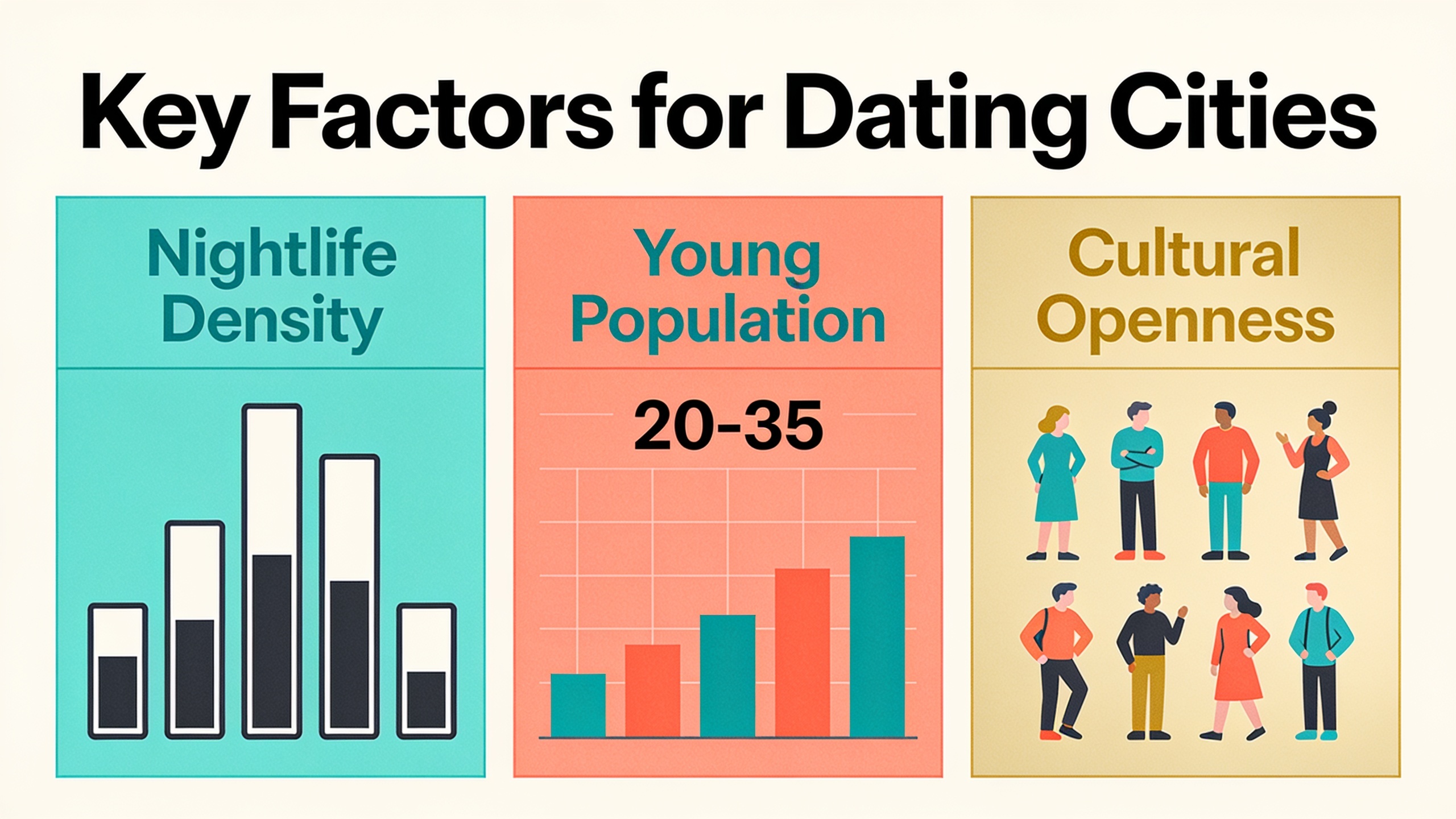
The best cities for singles chasing casual dating tend to share the same three ingredients: nightlife density, a young population, and a relaxed attitude about the whole thing. Here are the ones that keep checking all three boxes.
Miami, Florida
Miami runs on warm weather, beach culture, and a nightlife calendar that basically never takes a day off. South Beach alone crams dozens of lounges, rooftop bars, and late-night spots into walking distance of each other, so you can bar-hop all night without ever touching a steering wheel. And because Miami pulls in a constant flood of tourists and expats, the dating pool refreshes itself constantly. If you're the type who gets bored seeing the same faces every weekend, that churn is a feature, not a bug.
Austin, Texas
Austin's tech-and-music reputation has quietly turned it into one of the fastest-growing cities for young singles in the country. The live music on Rainey Street and East 6th gives people the easiest possible excuse to talk to a stranger ("hey, do you know this band?"), and that huge University of Texas alumni base keeps the median age nice and low. Throw in the food-truck scene and a festival calendar headlined by South by Southwest, and you've got endless activity-based settings that make first meetups feel like anything but a job interview.
Denver, Colorado
Denver pulls off a weird, great combo: outdoorsy and active, but also home to one of the highest concentrations of craft breweries per capita in the country. So you get singles who want dating experiences that aren't 100% built around alcohol. Hiking meetups, ski trips, rooftop happy hours, it's all in the mix. The population also skews younger than the national median, mostly thanks to people flooding in from other states chasing tech and healthcare jobs.
Las Vegas, Nevada
Vegas is the obvious call if you want nightlife to be the whole point. The Strip's clubs, pool parties, and 24-hour everything make it stupidly easy to meet someone on a whim, and the tourism economy means there's a nonstop rotation of new singles passing through. Locals will tell you the transient nature of the place also lowers the stakes on everything. Nobody's planning a future when half the people around them fly home Sunday.
New York City, New York
NYC is a numbers game, and I mean that in the best way. With north of 8 million people, the dating pool is enormous, and every neighborhood has its own personality, from the bar-heavy Lower East Side to the lounge scene in Williamsburg. The catch? Dating here can feel fast, competitive, and occasionally exhausting. But if you like variety and don't mind a little hustle, New York never really loses its spot on lists like this.
Chicago, Illinois
Chicago gives you big-city density with a dating culture that feels noticeably less transactional than New York's. Wicker Park and River North are stacked with bars and late-night spots, and honestly, the sports culture does a lot of quiet matchmaking, Cubs games and lakefront tailgates hand you built-in group activities where meeting someone happens naturally. And thanks to finance, law, and consulting, there's a deep bench of young professionals.
Los Angeles, California
LA is spread out, which is both a blessing and a curse (you will spend time in your car, sorry). But the sheer entertainment-industry density means there's always some event, pop-up, or rooftop thing happening. The culture out here leans laid-back and, let's be honest, image-conscious, which tends to favor casual, low-commitment dating over anything resembling old-school courtship. Especially around West Hollywood and Silver Lake.
San Francisco, California
San Francisco's tech economy created one of the most gender-imbalanced dating markets in the country, historically heavy on men in tech roles. For women and LGBTQ+ singles, that skew can mean more attention and more options. For a lot of men, it means the market's a grind. The city's also small enough that you'll keep bumping into the same faces, which is exactly why so many people here reach for the apps to widen the net.
Nashville, Tennessee
Nashville's honky-tonk scene on Broadway is practically built for casual meetups. Live music, dancing, and a never-ending parade of bachelorette parties and tourists make the nightlife social almost by accident. And there's been a real wave of young transplants moving in for music, healthcare, and tech, so the dating pool stays young and keeps growing.
New Orleans, Louisiana
New Orleans doesn't really separate "social life" from "dating life," it's all one thing here. Bourbon Street and the Frenchmen Street music corridor keep the nightlife going late basically every night of the week. And the city's famously easygoing, festival-soaked culture (Mardi Gras being the extreme example) makes casual, no-strings dating feel less like a choice and more like the default setting.
How They Stack Up
Here's a side-by-side look at these cities across the three things that matter most for casual dating: nightlife density, size and diversity of the singles population, and general openness to no-strings dating. Quick disclaimer, these are editorial calls based on public demographic patterns and known nightlife infrastructure, not some official statistical index.
| City | Nightlife Density | Singles Population Size | Openness to Casual Dating |
|---|---|---|---|
| Miami, FL | Very High | Large, tourist-fueled | Very Open |
| Austin, TX | High | Large, youthful | Very Open |
| Denver, CO | High | Medium-large | Open |
| Las Vegas, NV | Very High | Large, highly transient | Very Open |
| New York, NY | Very High | Very Large | Moderate-Open |
| Chicago, IL | High | Large | Open |
| Los Angeles, CA | High | Very Large | Open |
| San Francisco, CA | Medium | Medium (gender-skewed) | Moderate |
| Nashville, TN | High | Medium-large | Very Open |
| New Orleans, LA | Very High | Medium | Very Open |
How I Ranked These
I built this list by weighing three signals that come up over and over in demographic and cultural data: the concentration of never-married adults in prime dating-age brackets, the density of bars and lounges and event venues relative to population, and how normalized casual dating actually is in each city's social scene. No single metric decides anything on its own. A city can have a massive population and still land lower on openness if the culture's buttoned-up and career-first (looking at you, San Francisco), even when the raw numbers look great on paper.
And look, "best" is subjective. It depends entirely on what you're after. A 25-year-old chasing beach-party energy is going to have a wildly different Miami experience than a 35-year-old professional working happy-hour rooms in Chicago. That's also why keeping an eye on current nightlife trends actually matters, outlets like Newsrum regularly cover shifting entertainment and lifestyle trends across major cities, which is genuinely handy for getting a real-time read on which neighborhoods or venues are drawing crowds right now before you commit to a night out or book a trip.
What to Do Once You Actually Get There
Picking the right city is only half the job. You still have to, you know, meet people once you're standing in it. Showing up to a packed bar with zero plan mostly results in you nursing a drink and staring at your phone, so a little prep pays off way more than you'd think.
Use Both the Apps and the Actual Bars
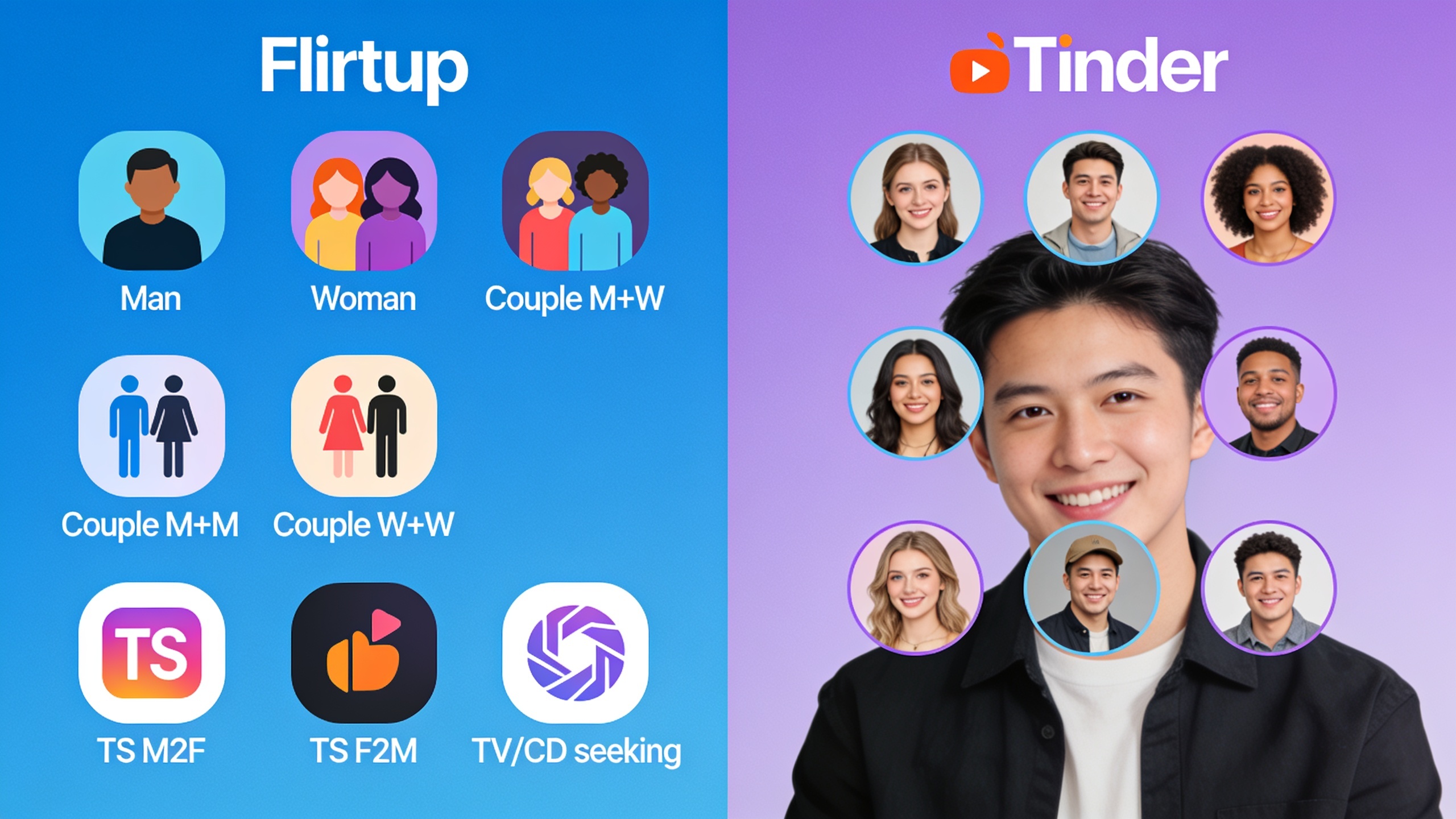
Nightlife-heavy cities like Miami, Nashville, and New Orleans are fantastic for spontaneous meetups, but here's a thing even locals do: they lean on dating platforms to sort out who wants something casual versus who's secretly hunting for a spouse. That's where a platform like Flirtup fits in. It's a casual dating platform built specifically around meeting, chatting with, and connecting to real singles in your area, and it's designed for people who want to keep things light rather than jump straight onto the relationship conveyor belt. It welcomes a pretty wide range of preferences too, including men, women, couples, and transgender members, so it works as a starting point no matter which of these cities you're eyeing. Signing up just means confirming you're over 18 and agreeing to the terms, and then you can start browsing and chatting with people in your target city before you've even packed a bag.
Time Your Trips Around the Big Events
Every city on this list has recurring events that basically herd singles into one place. Austin's SXSW, New Orleans' Mardi Gras, Nashville's CMA Fest, Denver's whole summer festival season. Building a trip or a big night out around one of these dramatically bumps up the number of new people you'll cross paths with compared to some random Tuesday.
Think Neighborhoods, Not Just Cities
"Best city" rankings are great for narrowing things down, but the actual action lives at the neighborhood level. In New York that might mean picking Williamsburg over the Upper East Side. In LA it might mean Silver Lake over Santa Monica. Do fifteen minutes of homework on which specific streets or districts are trending for nightlife and you'll save yourself a wasted evening once you land.
Apps vs. Bar-Hopping: Which Wins?
Neither one wins, honestly. They solve different problems, and most people who date well in these cities use both. Bar-hopping and event meetups are unbeatable for spontaneous, in-the-moment chemistry, especially somewhere like Vegas or New Orleans where the whole scene is engineered for it. Apps flip the equation, letting you filter for intent up front, which matters a ton when your goal is specifically casual and not, say, meeting your future in-laws.
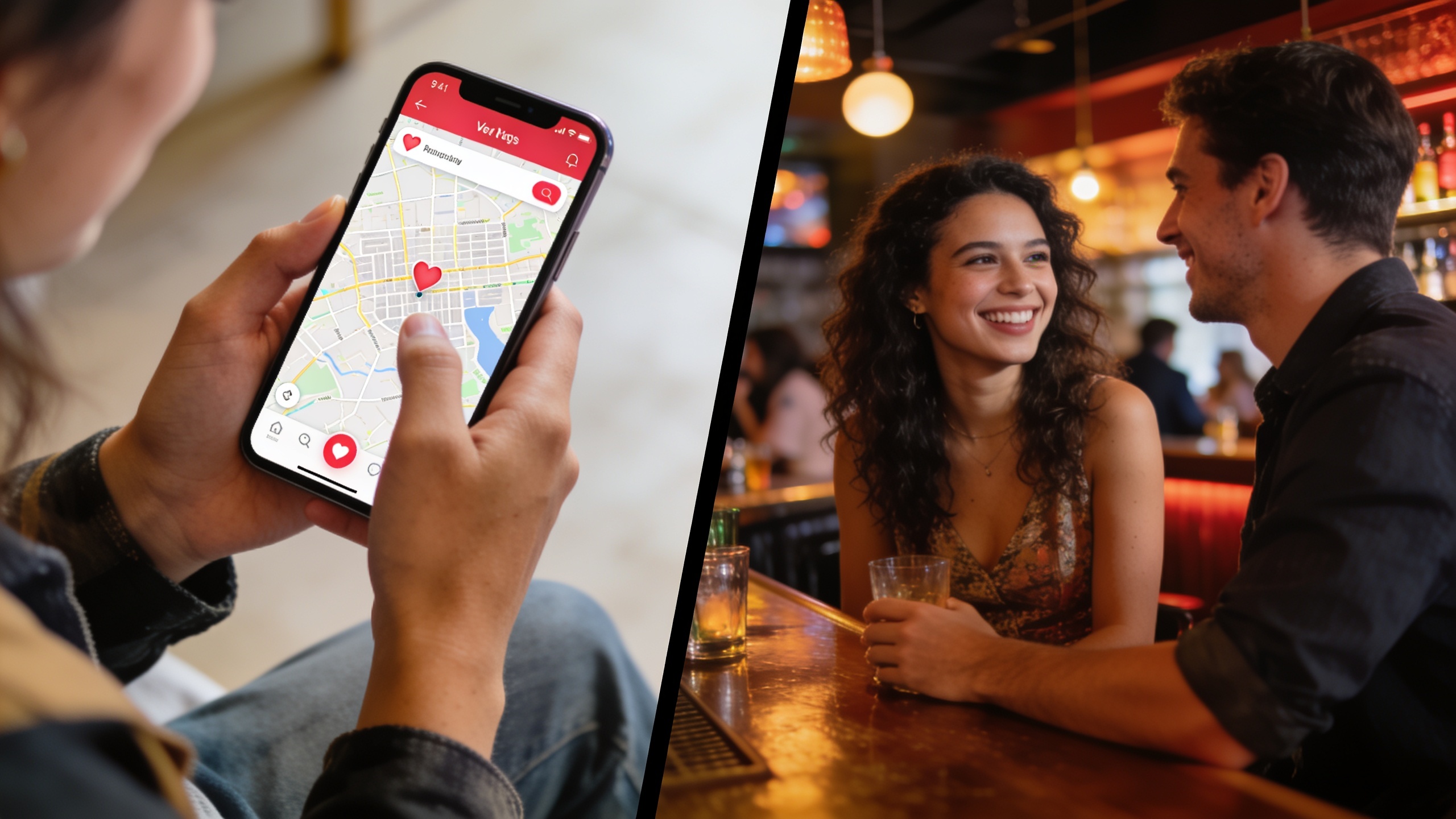
For most people the smart move is a hybrid. Use a platform to find and start conversations with people who are already looking for casual connections, then take it in-person once there's actual mutual interest. It cuts out the guesswork of trying to read someone's entire relationship philosophy from a five-minute conversation over loud music. It's especially clutch when you're traveling, since chatting with local singles before you land means you're not starting completely from scratch the moment you arrive.
Oh, and one more thing if you're on the other side of this, running a dating-focused blog or business site and trying to get your content about local dating scenes to actually rank. Tools like RobinRank are built to automate SEO content writing, publishing, and backlink exchange within verified communities, which can be genuinely useful if you're trying to build authority around location-based dating content over time.
Frequently Asked Questions
So what's the single best U.S. city for casual dating?
There's no one-size-fits-all winner, it really comes down to your priorities. That said, Miami, Austin, and Las Vegas consistently sit near the top thanks to that combo of dense nightlife, young crowds, and a genuinely relaxed attitude toward casual, low-pressure dating.
Can smaller cities actually beat the big metros?
Sometimes, yeah. College towns and mid-sized cities with a strong bar or festival culture, Nashville being the obvious one, can outperform bigger metros on a per-capita basis. The singles are packed into a smaller, more walkable area, so you keep running into the same social circles, which weirdly works in your favor.
Is it easier to meet people through nightlife or through apps?
Both work, they just do different jobs. Nightlife is great for spontaneous, face-to-face chemistry. Apps let you screen for what you both actually want (like, both wanting something casual) before you ever meet up. Plenty of people in these top-ranked cities just run both at once.
Are these cities good for LGBTQ+ singles too?
The ones with well-established LGBTQ+ nightlife districts tend to shine here, think San Francisco's Castro, West Hollywood in LA, Chicago's Boystown. Those areas offer more visible and active casual dating scenes for LGBTQ+ singles specifically, on top of the general nightlife strengths.
Does a bigger population guarantee more casual dating options?
Nope. A bigger population raises the raw number of possible matches, sure, but cultural openness and nightlife density matter just as much. A smaller city with a lively bar scene and a laid-back attitude can absolutely beat a giant one that's all career and no play.
Picking the right city genuinely tilts the odds in your favor. But the real difference-maker is showing up with a plan, knowing which neighborhoods to hit, which events to build your trips around, and which platforms connect you with people who already want the same low-pressure vibe you do. Get the location and the tools right, and meeting local singles stops feeling like a math problem and starts feeling like the fun part again.
🔥 Looking for casual dating near you? 💕 Meet new people, chat, and make real connections today! 📍
👉 Tap the link to get started and see who's nearby! ❤️
Sponsored | Affiliate Link 🔗